
MIDWEST—In September 2020, Illinois Congressman Darin LaHood introduced H.R. 8224—the New Philadelphia National Historical Park Act—to formally designate the New Philadelphia Townsite as a unit of the National Park System. This historic site had previously been recognized as a National Historic Landmark on January 16, 2009, acknowledging its profound cultural and historical significance.
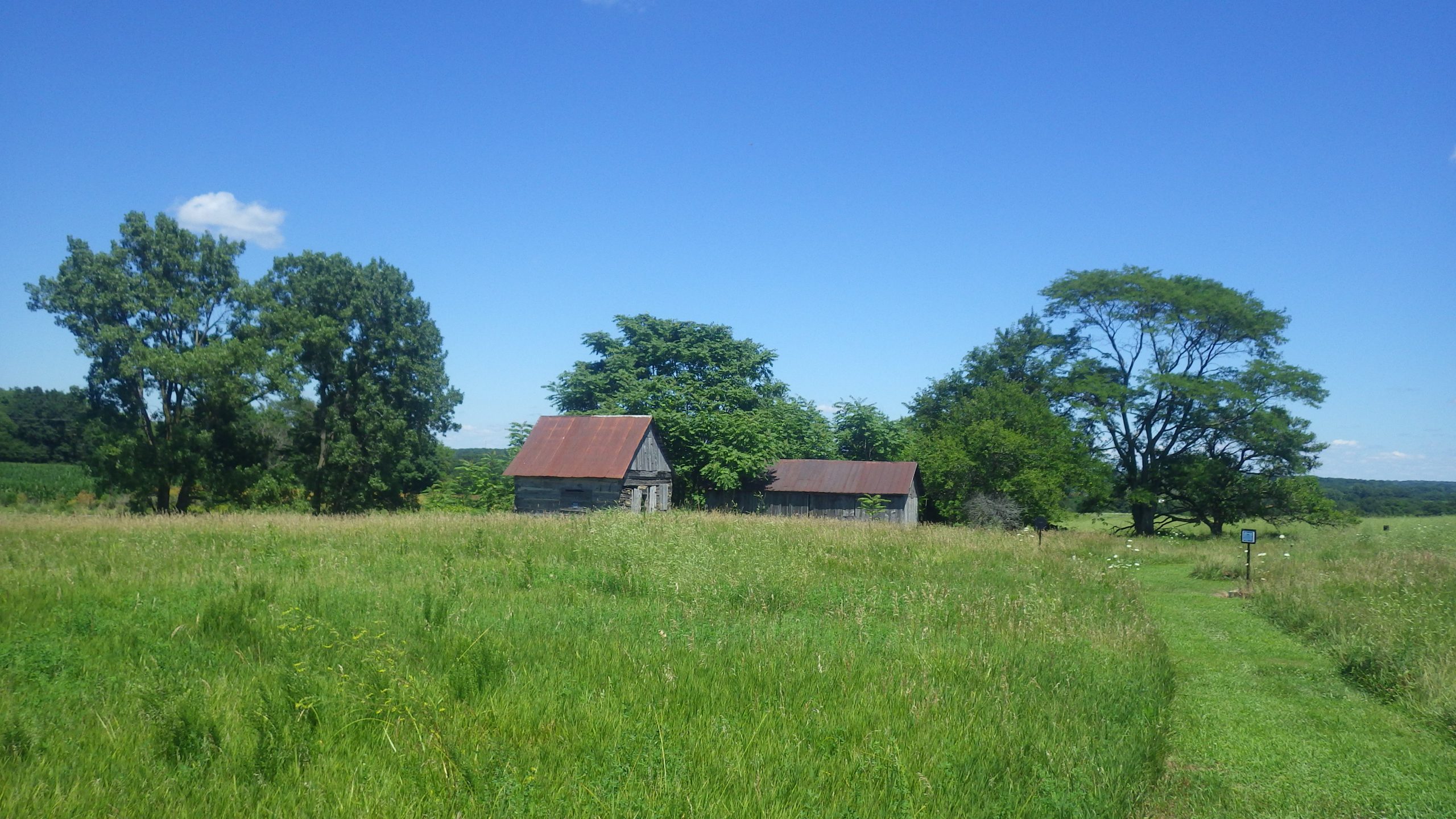
The Conservancy transferred New Philadelphia, the first town in the U.S. established by a formerly enslaved man, to the New Philadelphia Association for preservation. Photo by Phil Millhouse.
Founded in 1836 by Frank McWorter—a formerly enslaved man who purchased his own freedom, that of his wife, and 14 members of his family—New Philadelphia holds the distinction of being the first town in the United States established and legally registered by a free African American. Remarkably, this occurred well before the Civil War. The town became a rare and inspiring example of an integrated community where free-born and formerly enslaved African Americans lived alongside European Americans, forging a shared life on the American frontier.
In 2009, the Archaeological Conservancy acquired 9.14 acres of the New Philadelphia Townsite, partnering closely with the New Philadelphia Association (NPA) to preserve this essential part of the town’s legacy. Building on this foundation, the National Park Service officially designated the New Philadelphia National Historical Park near Barry, Illinois, in 2022.
Following the park’s designation, efforts accelerated to return the Conservancy-owned parcels to the NPA, with the long-term goal of donating the land to the National Park Service for full inclusion in the park. In February 2025, this vision moved closer to reality as the Conservancy officially transferred the parcels to the NPA, which will steward the land until it is formally incorporated into the national park.
Later this year, a closing ceremony will commemorate the culmination of decades of advocacy, collaboration, and dedication—a celebration of the enduring legacy of New Philadelphia and the remarkable story it represents in the broader narrative of American history. Learn more at newphiladelphiail.org.