
By Michael Haederle
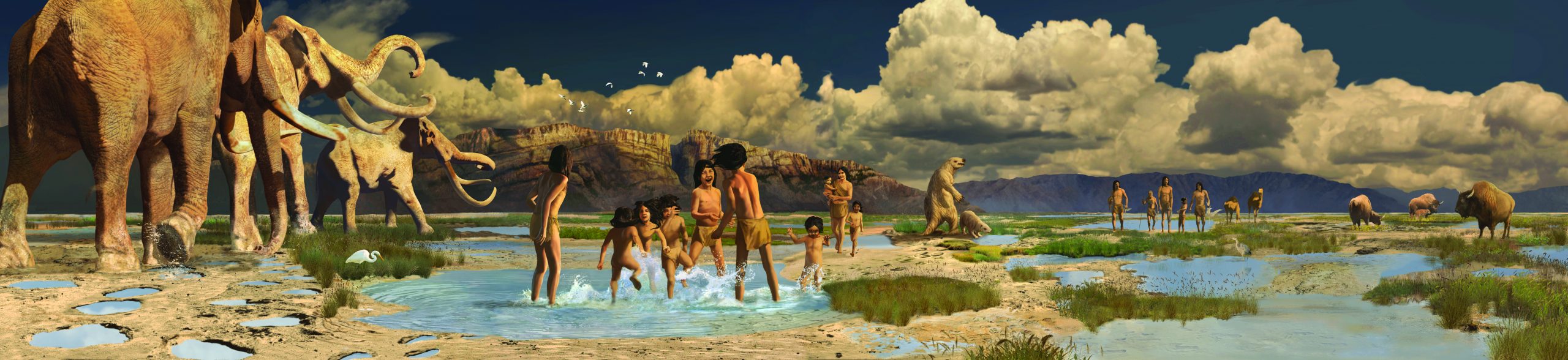
When we picture the people who lived in the distant past, it’s a good bet our mental images have been shaped by a lifetime of viewing artistic representations, the ones we’ve seen in countless museum exhibits, murals, and publications like this one. Whether it’s a portrayal of ancient Native Americans, Civil War soldiers, or Colonial-era settlers, we probably don’t spend much time thinking about what it took to create those images in the first place. But it turns out the artists and illustrators who bring the past to life in this way occupy a unique niche, each with a specific suite of skills and interests that helps to ensure their portrayals are both engaging and as historically accurate as possible. These artists come from diverse backgrounds, and each brings distinctive sensibilities to the work. But if there’s one thing they share, it’s an early interest in history, archaeology, and the natural world.
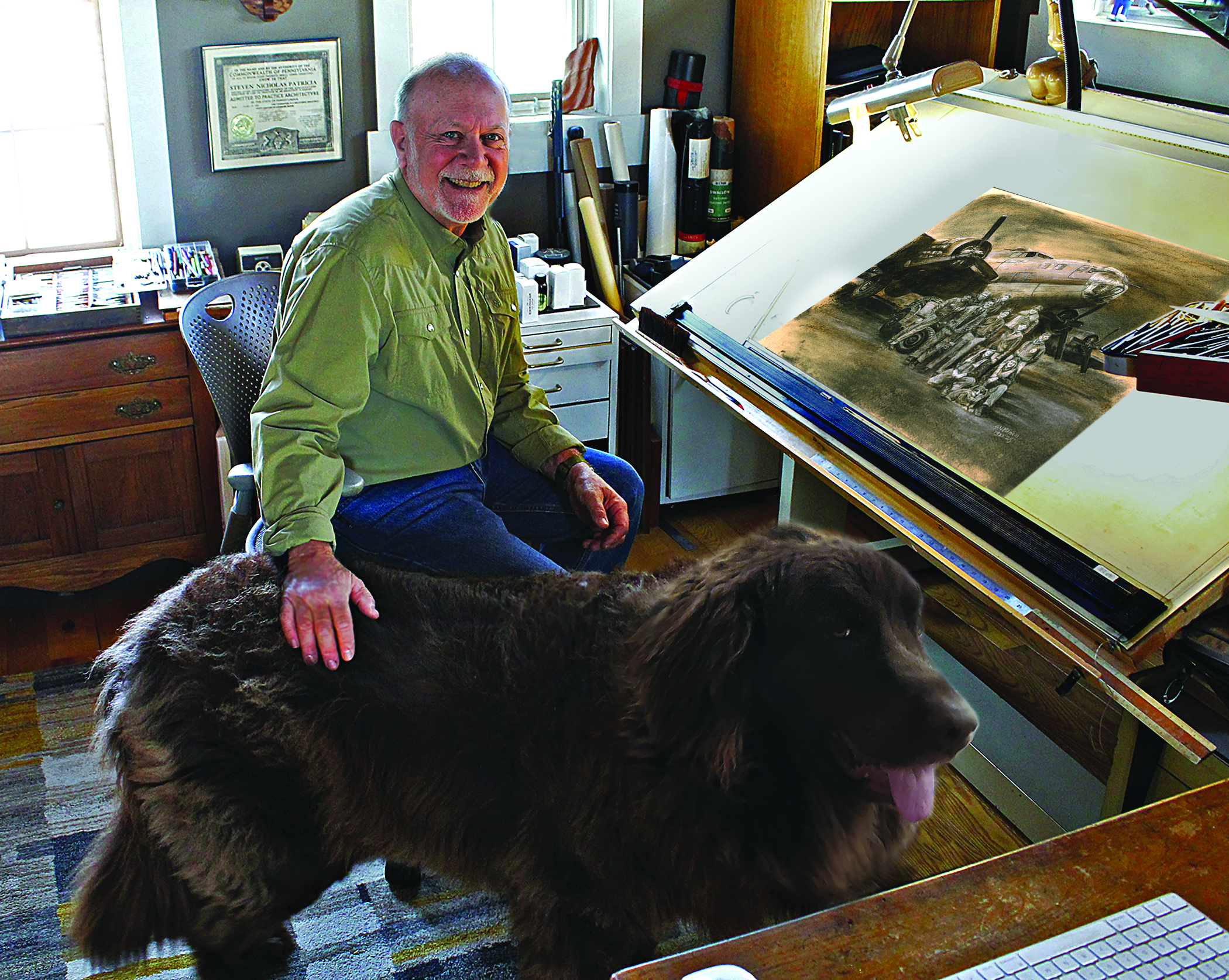
Steven Patricia
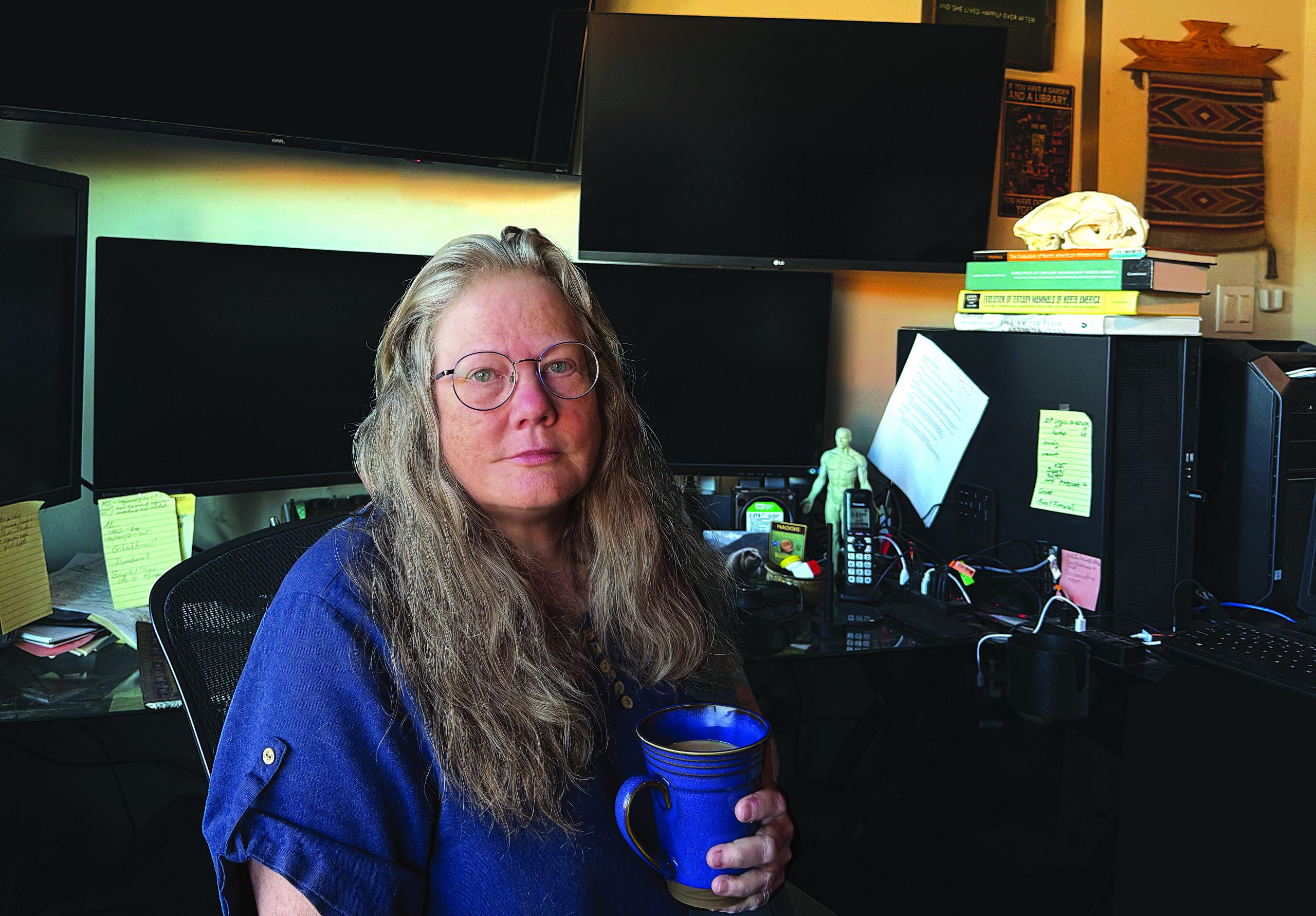
Karen Carr
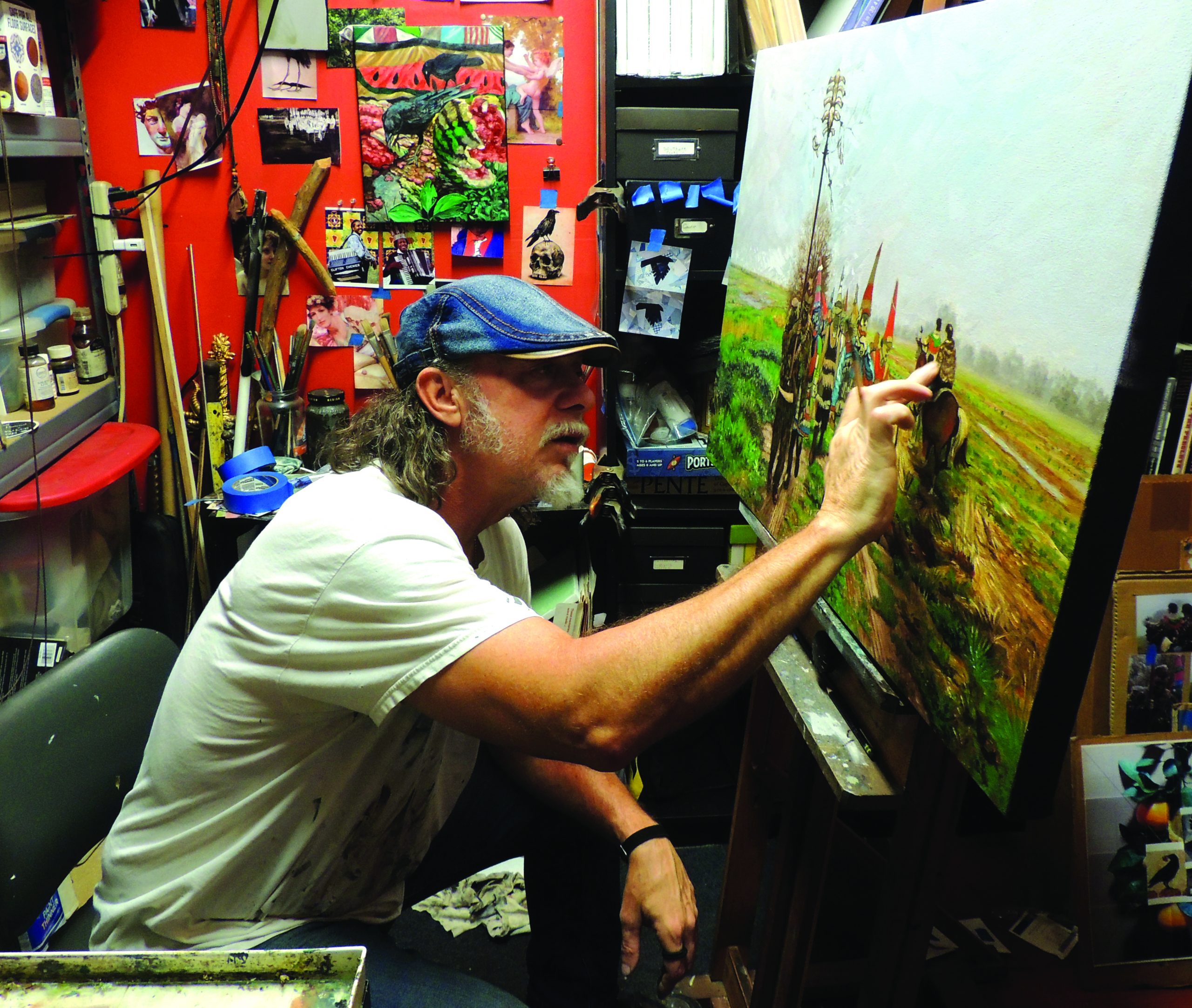
Herb Roe
This feature highlights the work of three artists who use their talent to translate archaeological research into illustrations. Karen Carr, a Silver City, New Mexico-based artist whose work has appeared in many publications and exhibits at institutions like the Smithsonian and the New Mexico Palace of the Governors, traces her lifelong love affair with archaeological and paleontological illustration to her childhood, when her father, Bill Carr, was a staff artist at the Fort Worth Children’s Museum (now the Fort Worth Museum of Science and History). Steve Patricia has created archaeological illustrations for the likes of National Geographic, Scientific American, and Reader’s Digest and, for decades, has made exhibits for the National Park Service. But he took a few unusual turns on his career path before he found his calling. The Oneida, New York, native started at the University of Rochester in anthropology and studio art, then transferred to Carnegie Mellon University in Pittsburgh, where he graduated with an architecture degree. Last but not least, Herb Roe’s skills as an oil painter support a thriving fine art career, but the Lafayette, Louisiana-based artist’s abiding interest in archaeology has also led to a sideline researching and depicting ancient Native American mound builder settlements. Through the years, he has created many depictions of archaeological sites, generally from an aerial perspective.
This is an excerpt of ‘Bringing Evidence to Life’ in American Archaeology, Spring 2026, Vol. 30, No. 1. Subscribe to read the full text.